
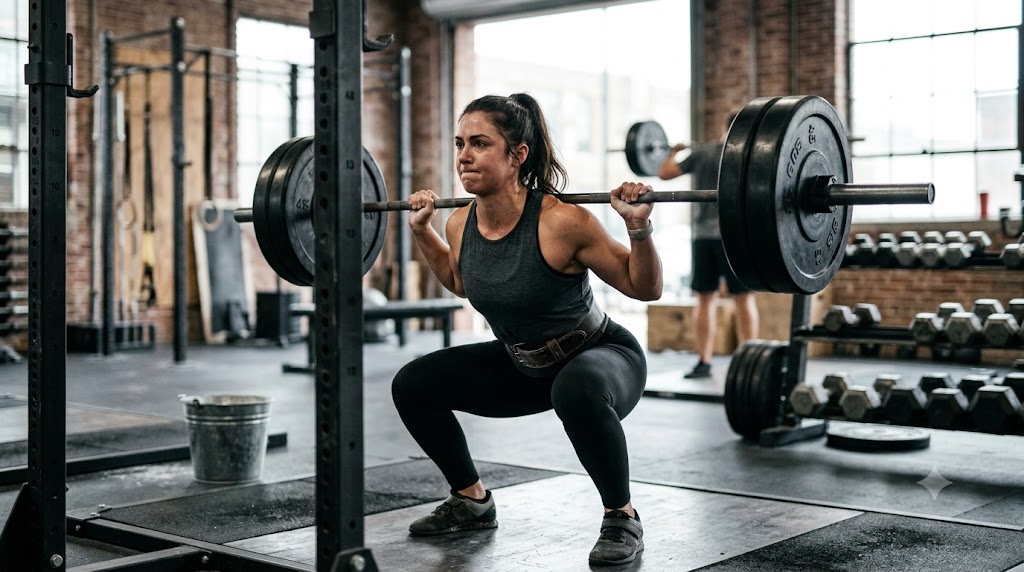
Build Muscle, Boost Energy: How Strength Training Supports Everyday Fitness
Strength training is about more than lifting heavy weights or changing how your body looks. When practised consistently and with good technique, resistance exercise can help you build muscle, maintain strength, support bone health and make everyday activities—such as carrying groceries, climbing stairs or getting up from a chair—feel more manageable. It can also be a satisfying way to build confidence and create a steady fitness routine.
You do not need an expensive gym membership or an advanced workout plan to begin. Body-weight movements, resistance bands, dumbbells and gym machines can all provide resistance. The best starting point is a routine that matches your current ability, uses safe technique and gives your body time to recover.
What Is Strength Training?
Strength training, also called resistance training, makes muscles work against a load. That load may come from your body weight, free weights, resistance bands or exercise machines. Over time, gradually challenging your muscles can improve strength and help build or maintain muscle mass.
Strength training is useful for people with different goals, from improving daily function to supporting sports performance. The right exercises and amount of effort depend on your experience, health, available equipment and personal goals. Start at a manageable level rather than copying an advanced athlete's routine.
Why Strength Training Deserves a Place in Your Routine
1. Build and Maintain Muscle
Muscles respond to repeated, appropriately challenging work followed by recovery. A consistent programme can help develop strength and muscle over time. Results vary with training history, nutrition, sleep, genetics and the way a programme is designed, so focus on steady progress instead of expecting rapid changes.
2. Support Everyday Energy and Function
Stronger muscles can make common tasks easier, including lifting bags, carrying children, gardening and moving furniture safely. Exercise may also support mood and sleep for many people. Strength training is not an instant energy fix, however; if you often feel unusually tired, consider sleep, stress, nutrition and whether medical advice is needed.
3. Help Support Bone Health
Weight-bearing activity and resistance exercise can be part of a broader approach to maintaining bone and muscle health as you age. The appropriate exercises depend on your health and any history of injury or osteoporosis. If you have concerns about bone health, ask a healthcare professional or qualified exercise specialist for individual guidance.
4. Improve Balance and Confidence in Movement
Exercises that develop leg, hip, back and core strength can support everyday movement. Balance and coordination also matter, so a well-rounded fitness plan may include walking, balance practice, mobility work and activities you enjoy. Move with control and use support when learning unfamiliar exercises.
5. Create a Measurable Sense of Progress
Strength training gives you practical ways to notice improvement: a movement feels smoother, you can complete a few more controlled repetitions, or the same load feels more manageable. Keep a simple log of exercises, resistance and repetitions. Progress does not need to be dramatic to count.
Beginner-Friendly Strength Exercises
These examples cover several major movement patterns. Choose versions that suit your current ability, and prioritise control over speed or heavy resistance.
- Chair squat or body-weight squat: Practise sitting back towards a chair and standing up with control. Keep the movement within a comfortable range.
- Wall or incline push-up: Place your hands on a wall or stable raised surface and bend and straighten your elbows without letting your body sag.
- Resistance-band row: Pull the band towards your torso while keeping your shoulders relaxed. Use a securely anchored band and follow its instructions.
- Hip hinge: Practise moving your hips backwards with a neutral, comfortable spine before adding any weight.
- Glute bridge: Lie on your back with knees bent and lift your hips gently, avoiding an exaggerated arch in your lower back.
- Calf raise: Hold a stable support if needed, rise onto your toes and lower slowly.
- Bird-dog or a supported core exercise: Work on controlled trunk stability rather than holding your breath or forcing a difficult position.
These are general examples, not a personalised prescription. If an exercise causes sharp pain, dizziness, chest discomfort or unusual breathlessness, stop. Seek appropriate medical advice when symptoms are concerning or persistent.
A Simple Strength Training Plan for Beginners
If you are generally healthy and new to resistance exercise, start with two non-consecutive days per week and keep the first sessions easy enough to learn the movements. A sample full-body session could include:
| Movement | Beginner example | Technique reminder |
|---|---|---|
| Chair squat | 1–2 sets of 8–10 repetitions | Use a stable chair and move with control |
| Wall push-up | 1–2 sets of 6–10 repetitions | Keep your body aligned and elbows comfortable |
| Resistance-band row | 1–2 sets of 8–12 repetitions | Pull smoothly without shrugging your shoulders |
| Glute bridge | 1–2 sets of 8–12 repetitions | Lift only as high as you can control comfortably |
| Calf raise | 1–2 sets of 8–12 repetitions | Use support for balance if needed |
Rest as needed between sets and finish feeling that you could have done a little more. These numbers are an example, not a requirement for everyone. Reduce the range, repetitions or resistance if your form deteriorates, and consider a qualified trainer if you need help learning the movements.
How to Progress Without Overdoing It
- Learn the movement first. Practise with body weight or very light resistance until the motion feels controlled.
- Choose a manageable challenge. The last repetitions may feel harder, but you should still be able to maintain good technique.
- Change one thing at a time. When an exercise becomes comfortable, you might add a small amount of resistance, one or two repetitions or an extra set—not everything at once.
- Allow recovery. Avoid training the same muscles hard on consecutive days when you are starting out. Sleep, food and rest are part of training.
- Track consistency. Record the exercise, resistance and repetitions so you can make gradual, sensible adjustments.
Progress is not always linear. Stress, illness, sleep and busy weeks can affect performance. If you need to reduce the workload temporarily, that is a sensible adjustment—not a failure.
Nutrition for Muscle Recovery and Energy
Training works best alongside enough food, fluids and rest. Aim for a varied eating pattern that includes protein foods, whole grains or other carbohydrate sources, vegetables, fruit and sources of healthy fats. Protein helps repair and build body tissues, while carbohydrates can provide fuel for activity. Your overall needs depend on body size, age, activity, health and goals.
In Indian meals, protein sources may include dal, rajma, chana, soy foods, milk, curd, paneer, eggs, fish or lean meat, depending on your preferences. Pair meals with vegetables and suitable carbohydrate sources such as roti, rice, oats or millets. There is no single required menu for everyone.
- Drink water regularly, with extra attention during hot weather or sweaty workouts.
- Eat enough to support your activity instead of following extreme restriction.
- Include protein-containing foods across the day in a way that suits your appetite and routine.
- Be cautious of supplements promising rapid muscle gain or instant energy. Supplements are not a replacement for food, training and sleep.
If you have kidney disease, diabetes, digestive concerns or another condition that affects diet, seek individual advice from a qualified healthcare professional or registered dietitian before making major changes.
Recovery, Sleep and Rest Days Matter
Muscles need time to recover from challenging exercise. Mild soreness can occur after a new workout, but severe pain is not a sign that a session was more effective. Keep moving gently if comfortable, sleep regularly and leave recovery time between demanding sessions.
Warm up with a few minutes of easy movement and practise the exercises at a lighter effort before increasing resistance. Cool down with comfortable movement if it helps you transition out of the session. Stretching can support flexibility, but it does not replace sound lifting technique or appropriate recovery.
Common Strength Training Mistakes to Avoid
- Lifting too heavy too soon: Start with a resistance you can control and build gradually.
- Rushing repetitions: Use a steady pace and avoid swinging weights to finish a movement.
- Ignoring pain: Stop movements that cause sharp or unusual pain and get advice when needed.
- Training without a plan: A simple, repeatable full-body routine is often easier to sustain than random hard sessions.
- Skipping rest and sleep: More workouts are not always better, especially when you are new to training.
- Comparing yourself with others: Age, experience, equipment and starting strength differ. Measure progress against your own baseline.
- Believing in quick fixes: Consistent training, adequate food and recovery matter more than miracle products.
Strength Training at Home or in the Gym
You can build a useful routine in either setting. At home, body-weight exercises and resistance bands may be enough to get started. A gym offers machines, free weights and more options for gradually adjusting resistance. Neither setting guarantees results on its own; regular practice, suitable exercise selection and safe technique are what count.
If you use gym equipment, ask for an introduction to adjust machines correctly. At home, check that your exercise area is clear, chairs are stable and bands are undamaged. Keep weights away from children and avoid improvised equipment that may slip or break.
Who Should Take Extra Care?
Many people can benefit from strength exercise, but the starting point should reflect their health and experience. If you are pregnant or recently postpartum, have a heart condition, uncontrolled blood pressure, significant joint or back problems, have had recent surgery, or have been advised to limit activity, ask your healthcare professional how to exercise safely. Older adults and people returning after a long break may benefit from supervised instruction.
Stop exercising and seek urgent medical help for warning signs such as chest pain, fainting or severe, unusual shortness of breath. Do not push through symptoms that feel unsafe.
Frequently Asked Questions About Strength Training
How many days a week should a beginner strength train?
Many beginners start with two non-consecutive full-body sessions per week and adjust according to recovery and ability. The best schedule is one you can perform safely and consistently.
Can strength training help boost energy?
Regular exercise can support overall fitness, mood and sleep for many people, which may help everyday energy over time. It is not an instant fix for fatigue. Persistent or unexplained tiredness deserves professional advice.
Do I need a gym to build muscle?
No. Body-weight movements and resistance bands can provide a starting challenge at home. As you get stronger, you may need to adjust the exercises or resistance to continue progressing.
Should I feel sore after every workout?
No. Soreness is not required for progress. A new or harder workout may cause mild soreness, but severe pain, swelling or symptoms that interfere with normal movement should not be ignored.
What should I eat after strength training?
A regular balanced meal or snack containing protein and carbohydrates can support recovery, depending on your overall needs and meal timing. You do not need a special product if your everyday diet already meets your requirements.
How long does it take to see results?
Progress varies with starting fitness, consistency, training quality, nutrition, recovery and other individual factors. You may notice improvements in movement or exercise confidence before visible muscle changes. Focus on sustainable habits rather than a promised deadline.
Final Thoughts: Make Strength a Lifelong Habit
Strength training can be a practical investment in your fitness, confidence and ability to handle everyday tasks. Start with simple movements, learn safe technique, challenge yourself gradually and give your body time to recover. Combine training with balanced meals, regular sleep and other forms of enjoyable movement.
You do not need to lift the heaviest weight in the room or follow a perfect plan. Begin where you are, stay consistent and make adjustments when your body or circumstances require them. Small, repeatable steps can help strength training become a lasting part of a healthier life.